The past two weeks I have been studying photography and the History about photography.
The worlds first photograph was captured by Joseph Niépce.
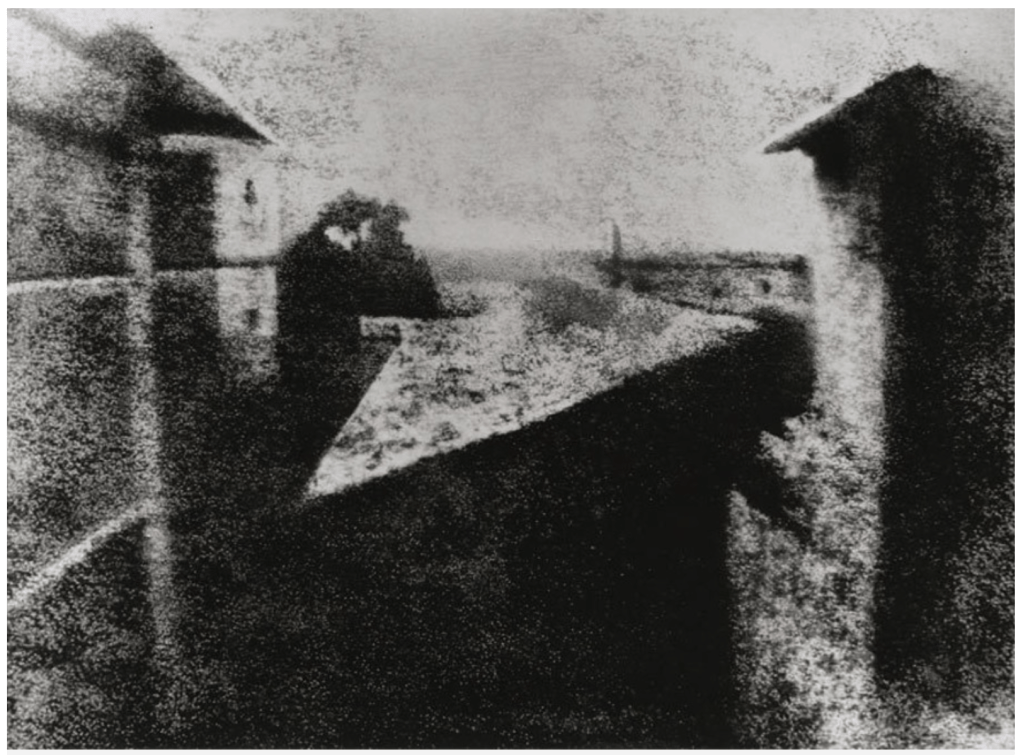
The first ever taken Photo was redicovered by Swiss Photo historians Helmut and Alison Gernsheim in 1952.
This image is acknowledge as the world’s first photograph, and Helmut Gernsheim donated it to the University of Texas for public display.
Since then photography has come a long way and have several ways, technologies and strategies for capturing moments.
Photography as a medium continues to evolve. Often we go back and use old technology to get the aestethetic we are looking for. Everything does not need to be high tech and digital.
Daguerreotype
The first commercially succesful photographic process (1839 – 1860) in the History of photography was the daguerreotype process invented by Louis Daguerre.
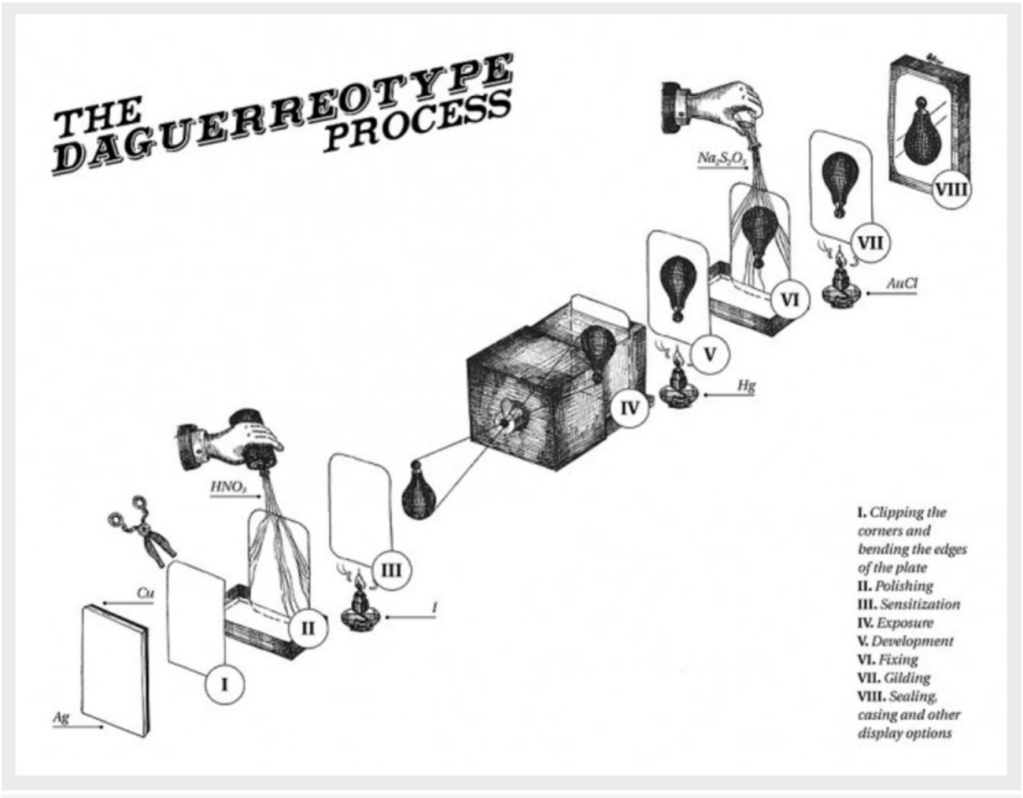
Daguerreotype were made by using the first camera obscura (dark room in latin). With each daguerreotype came a unique image on a silvered copper plate.
I watched the process on video and answered some questions about the process:
Was the process efficient?
It was a time consuming process with a lot of chemicals and steps in order to take and develop an image. I would not call it efficient, but interesting process.
Was it safe?
In the daguerreotype process they used a lot of dangerous chemicals, like iodine and mercury.
Iodine is not dangerous in small amounts, but can cause harm with large exposure over time. High iodine intakes can also cause thyroid gland inflammation and thyroid cancer. Getting a very large dose of iodine (several grams, for example) can cause burning of the mouth, throat, and stomach; fever; stomach pain etc. So to be working with iodine you have to be careful with the exposure.
Mercury can be very harmfull depending on the type and amount. Exposure to mercury can damage the nervous system, kidneys, liver and immune system. Breathing mercury vapors like in the process can be very dangerous. Mercury pass easily from lungs to the blodstream.
Iodine was used inside a sensitizing box with two ceramic dishes and silver plated copper. Buffing boards where user to clean and make the silver plate ready. The first process is all about making the plate light sensitive. Iodine made the plate light sensitive and ready for the next step after exposure for 15 – 20 minutes.
Then the plate was put in the camera, and a photo was taken. To make the daguerrotype image visible further exposure to chemicals was necessary. The mercury substance where placed in a daguerreotype developing box. The exposed plate would be put face down on the top of the box and the bottom of the box contains the mercury. A spirit lamp underneath makes the mercury vapourize to the surface and reacts with the silver which forms the visuals on the plate (image).
The next step where to make sure that the image didn’t continue to darken when exposed to light.
Sodium sulfate used to wash away any unexposed silver iodide on the surface, is a more safe chemical. However, it can cause allergic reactions for the user and cause nausea, vomiting and diarrhea. Inhalation of it can cause respiratory tract irritation.
Gold chloride was used for the «guilding», vaporating the image with the chemicals strengthening and protecting the image. Gold cloride is considered a highly hazardous substance. It Causes burns and risk of serious damage to eyes. The material can produce chemical burns within the oral cavity and gastrointestinal tract.
This was the last stage. After that, the plate would be washed and placed in a protective case.
In conclusion the process is not safe at all, and exposure to all these chemicals is highly dangerous.
What about the quality?
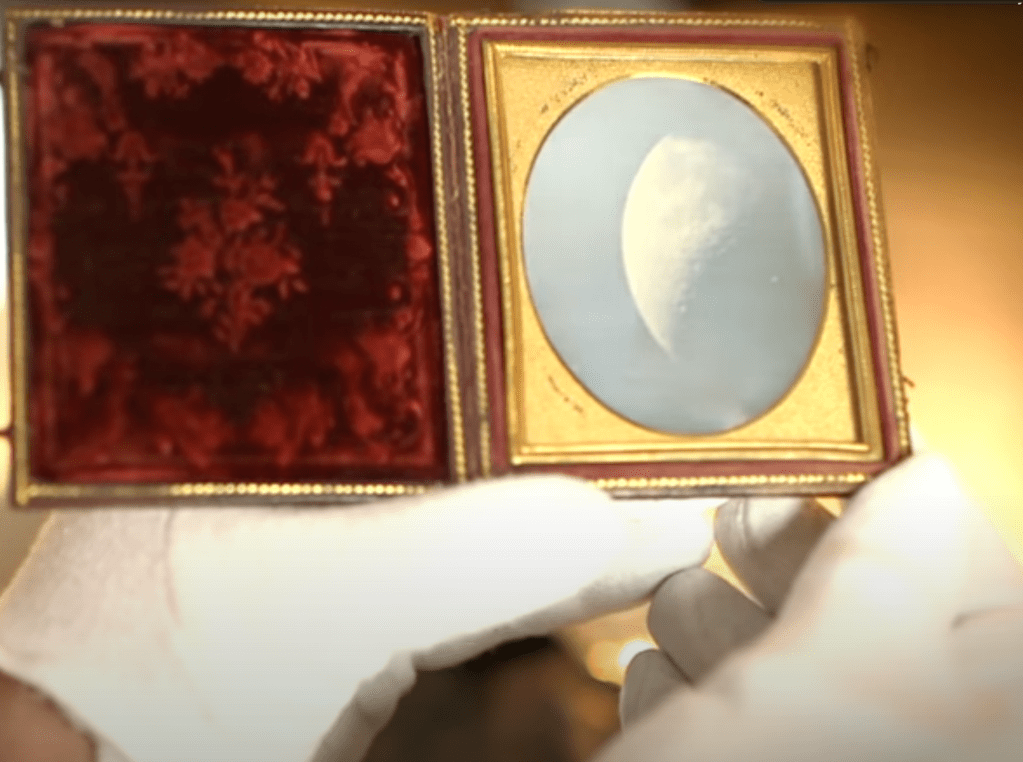
Surprisingly good quality. Ofcourse, not the same quality we have today with our smart phones and digital cameras. However, the technology and technique behind this process is highly complicated and interesting. I was surprised by the quality of the end result, and there was something special with the texture. Also knowing about the process of making it, makes the image even more valuable.
Any other comments on this process?
As I already said. The process with all the chemicals is dangerous and complicated, it’s also a time consuming process if you look at how we take pictures today. However, when it is done with the stafety measures in mind, it’s absolutly worth the time. It creates something more than just a photograph. It’s something valuable and unique. I liked it a lot.
Best regards, CDH
 CDHGraphicDesign
Leave a comment